Building Realistic Scenery for Your Model Railway Layout
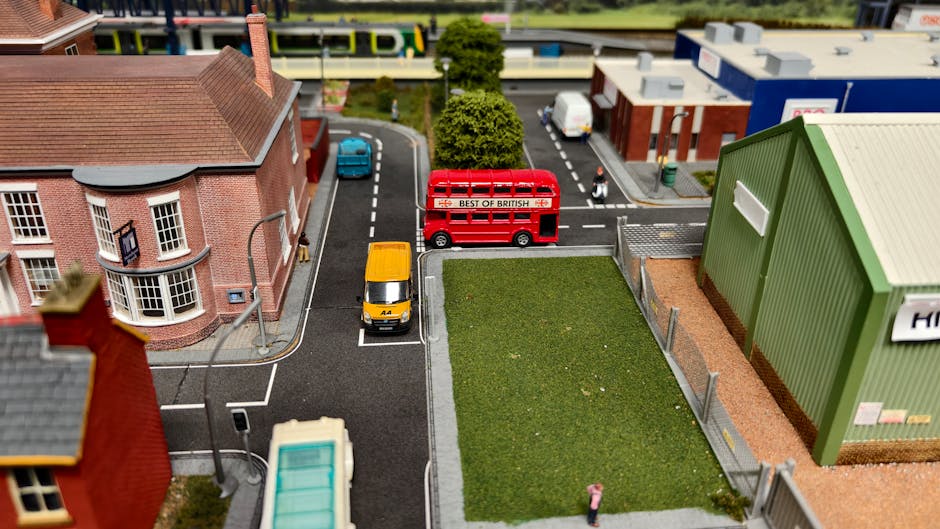
Scenery separates impressive model railways from truly magical ones. The good news is that creating realistic landscapes requires patience rather than artistic talent, and materials are inexpensive and readily available.
Foundation and Contours
Begin by establishing your landscape's basic shape. Crumpled newspaper, cardboard tubes, or polystyrene create height variation beneath your track. Build mountains, valleys, and plateaus that tell a story about your railway's location. Welsh layouts benefit from dramatic topography—use this to your advantage.
Terrain Texturing
Cover your contours with plaster of paris or proprietary scenic plaster. Once dry, this provides a stable base for detail work. Create texture by scoring with tools before it fully hardens, suggesting natural erosion and geological features. This step transforms amorphous lumps into believable landscape.
Grass and Ground Cover
Static grass matting is the quickest solution, available in various shades from bright spring green to autumn brown. Apply adhesive to your terrain, then sprinkle static grass over it. A cheap electric applicator makes grass stand upright, creating natural appearance. Layer different grass shades for depth and variety.
Trees and Vegetation
Affordable trees are available from craft shops, or make your own using twisted wire and painted sponge. Position trees in clusters like real forests rather than individual specimens. Varied heights and colours create more convincing woodland. Hedgerows add character to British layouts—create these using fine foam or clipped lichen.
Buildings and Structures
Model buildings anchor your scenery and establish scale and period. Ready-made kits range from basic cottages to complex industrial structures. Position buildings naturally—farmhouses on hillsides, factories near tracks, villages in valleys. Paint weathering adds realism; new-looking buildings stand out unpleasantly.
Water Features
Ponds and streams add visual interest and break up scenery. Use clear casting resin or specialist water effects products. Create realistic banks with rocks and vegetation. Even small water features dramatically improve layout believability.
Roads and Paths
Paint roads directly onto your terrain or use self-adhesive road materials. Add weathering—dirt edges, worn patches, puddles—to suggest real use. Country lanes benefit from grass growing between wheel ruts, created with careful static grass application.
Weathering and Aging
New-looking scenery looks artificial. Dust everything lightly with chalks or powdered pastels to suggest age and weathering. Darken shadows, lighten highlights. This subtle technique dramatically improves realism without requiring advanced skills.
Lighting
Good lighting reveals your hard work. Install LED strips along baseboard edges to illuminate scenery naturally. Overhead lighting should be diffuse rather than spotty, avoiding harsh shadows.
Taking Your Time
Scenery work rewards patience. Spend weeks or months gradually building detail rather than rushing to completion. Observe real landscapes for inspiration. Notice how nature arranges plants, colours terrain, and creates visual variety.
Your layout's scenery tells its story and creates emotional connection. Invest time here, and your railway becomes genuinely captivating.